
publications
* = student under my supervision
2026
- Understandings and enactments of culturally responsive pedagogy in teaching computer science: a case study with two middle school teachersLijun Ni, Gillian Bausch, Elizabeth Thomas-Cappello, and 2 more authorsComputer Science Education, 2026
Culturally responsive pedagogy (CRP) is an important approach for fostering equitable and meaningful learning experiences for students from diverse backgrounds. Teachers bring varied prior knowledge and experiences and may encounter challenges when integrating this pedagogy in teaching CS. This study investigated two teachers’ development of CRP throughout a multiple-year professional learning program within a researcher–practitioner partnership (RPP) project. Multiple data sources were analyzed to examine teachers’ understandings and reported enactments of the six pillars of the Culturally Responsive-Sustaining Computer Science Education Framework. The two cases demonstrated how teachers developed their understandings and diverse ways of enacting CRP in teaching CS. Both teachers consistently prioritized student voice and agency, integrating students’ cultural assets into their curricula by addressing community issues. Implications. This longitudinal study offers valuable insights for designing RPPs and professional learning programs to enhance teachers’ understanding and CRP practices in CS education.
- A Research Course to Develop AI Tools for K–12 LearningIsmaila Temitayo Sanusi, Deepti Tagare, and Fred MartinIn Proceedings of the 57th ACM Technical Symposium on Computer Science Education V.1, 2026
In this Experience Report, we describe a semester-long course in which university students develop original software products to teach K–12 learners ideas in artificial intelligence (AI) and machine learning (ML). The university students develop their knowledge of AI/ML, build expertise in software development, and gain skills in education research. We test the educational software tools with K–12 learners at ”AI Expos” held at partner public schools. We teach our university students about human-subjects research and collaboratively obtain IRB approval for the school-based work. We develop pre/post surveys and conversation questions for the K–12 participants. Our students instrument their software tools to gather live interaction data from the K–12 student use. The university students complete final course papers which describe their tool design and present evidence of student understanding of AI/ML concepts based on the data they have gathered. Students of the course often continue their scholarship beyond the semester, successfully submitting their work to conferences. We are developing a growing collection of software tools to teach AI/ML that are available for use by curriculum developers. For many students, the course provides their first opportunity to create a working software product used by others; seeing others use one’s system is deeply satisfying and motivational. The course also provides a full-cycle research experience, including experimental research design, data collection, analysis, and writeup; nearly all students gain their first introduction to educational research in the course. This paper presents the university course design and our insights from teaching four iterations of the course.
-
 AI for Everyone: Engaging Middle Schoolers through Collaborative, Ethical, and Multimodal AI LearningKayleigh Stallings*, Nicole Tian*, Elif Yayla Ercek*, and 6 more authorsIn Proceedings of the 57th ACM Technical Symposium on Computer Science Education V.1, 2026
Early exposure to artificial intelligence (AI) and machine learning (ML) is essential for preparing students to navigate and shape a technology-driven world. This paper presents the design, imple- mentation, and evaluation of a four-day ”AI for Everyone!” summer camp, which introduced 33 middle school students to foundational AI and ML concepts through interactive games, hands-on projects, and collaborative activities. Each instructor contributed a unique learning module on topics including Convolutional Neural Net- works, Deep Fakes, Decision Trees, and Reinforcement Learning, with integrated discussions on ethical implications. Effectiveness was assessed using pre- and post-camp surveys, structured inter- views, embedded evaluation tools, and instructor reflections. Quan- titative results showed a statistically significant increase in students’ awareness of bias in AI (p = 0.014, n = 29) following the interven- tion. Qualitative data indicated gains in conceptual understanding and enthusiasm for AI, with students most engaged by game-based activities, tangible projects, and peer collaboration. Instructors, also researchers, conducted small-group cognitive interviews to deepen student learning through real-world ethical discussions. Findings highlight that an inclusive, flexible, and interactive approach builds both conceptual understanding and also increases enthusiasm for AI among middle school students. This paper provides a detailed camp design and practical guidance for others developing informal AI/ML education experiences for young learners.
2025
-
 Ask Me Anything: Exploring Children’s Attitudes Toward an Age-tailored AI-powered ChatbotSaniya Vahedian Movahed*, and Fred G. MartinInternational Journal of Artificial Intelligence in Education, Oct 2025
Conversational agents, such as chatbots, have increasingly found their way into many dimensions of our lives, including entertainment and education. In this exploratory study, we designed Ask Me Anything (AMA), a child-friendly, topic-specific chatbot, and investigated children’s attitudes and trust toward AI-driven conversational agents. Unlike general-purpose assistants, AMA was constrained to three child-relevant topics—astronomy, sneakers and shoes, and dinosaurs—to prompt targeted questioning from students and drive engagement. We tested AMA with 63 students, ages 6 to 14, including first-graders and middle school students (grades 6 to 8), in a public school in the Northeastern United States. Students worked in small groups, interacted with our tool for three to ten minutes, and completed a post-survey. We identified three key themes that emerged from student conversational interactions with AMA: expressing wonder, surprise, and curiosity; building trust and developing confidence; and building relationships and anthropomorphizing. Also, we observed a broad attitude of openness and comfort. Students trusted the chatbot responses in general, indicating a high level of trust in and reliance on AI as a source of information. They described AMA as “knowledgeable,” “smart,” and that they could “trust it.” To confirm their perception of reliability, some students tested the chatbot with questions to which they knew the answers. This behavior illustrated a fundamental aspect of children’s cognitive development: the process of actively evaluating the credibility of sources. This study contributes to the growing literature on child–AI interaction by revealing gaps in children’s critical engagement and highlighting the need for design that scaffolds AI literacy. It reveals the need for age-sensitive, trust-aware design and points to a broader gap in digital safety awareness among children interacting with AI.
-
 From Play to Pedagogy: Discovering the Ecosystem of AI Educational Tools and Curricula BEST PAPER NOMINATIONSaniya Vahedian Movahed*, and Fred MartinIn Proceedings of the 30th ACM Conference on Innovation and Technology in Computer Science Education V. 1, Oct 2025
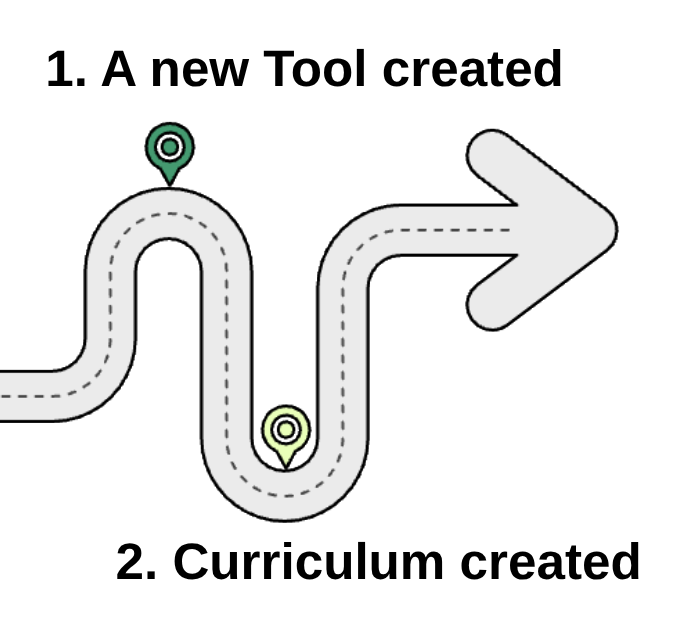
This paper explores the evolution of artificial intelligence (AI) and machine learning (ML) educational tools and curricula for children, describing a spectrum from playful exploration to structured pedagogy. We address three research questions: (RQ1) What themes are revealed in the literature on AI/ML for children? (RQ2) In what ways do the development of AI/ML tools and curricula co-evolve? (RQ3) How does the historical context of the field frame current work on AI/ML for children? We observe a co-evolution of tools and curricula, where researchers build new tools and curriculum developers adopt tools created by others. As tools prove successful, they become widely available and are adopted by a broad range of users. Additionally, we note instances where tool creators take on the role of curriculum developer. Recognizing the need for a clear overview of AI/ML educational resources, we introduce major themes of tools, tool-forward, and curriculum-forward works. These themes are designed to help educators, researchers, and curriculum designers in discerning the fundamental nature and potential applications of resources. By distinguishing tools that are standalone from those integrated into curricula, our framework supports strategic decisions in resource adoption and development. Drawing on the field’s history, we outline a continuum of tools and platforms, from constructionist elements to interactive play environments.
-
 IntoTheRabbitHole: A Web Application for Teaching Middle School Students About Search Algorithms BEST PAPER NOMINATIONPragathi Durga Rajarajan*, and Fred MartinIn Proceedings of the 30th ACM Conference on Innovation and Technology in Computer Science Education V. 1, Oct 2025
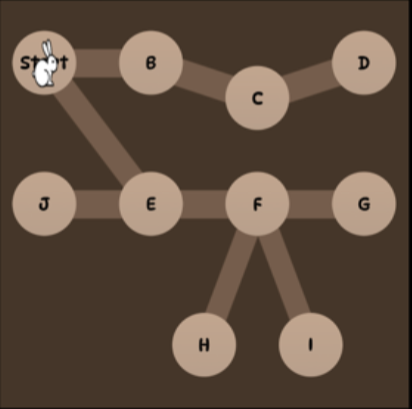
As artificial intelligence (AI) technology rapidly advances and integrates further into everyday life, building AI literacy in children is now more important than ever. AI literacy includes understanding key AI concepts such as search algorithms, which are foundational and have wide-ranging real-world applications. To support curricula that foster AI and computational literacy in K-12 students, we developed a novel, easy-to-use software tool to introduce this foundational topic by teaching two search algorithms to middle school children. We present IntoTheRabbitHole, an interactive web application where users help a rabbit find its carrot to learn about Depth First Search (DFS) and Breadth First Search (BFS). In this work, our research questions were: (RQ1) Can we develop an engaging and enjoyable web application to teach search algorithms?; (RQ2) Could we find evidence of student learning of Depth First Search and Breadth First Search from using our application?; and (RQ3) How do students compare Depth First Search and Breadth First Search after interacting with IntoTheRabbitHole? We collected both quantitative and qualitative data on student use of IntoTheRabbitHole at an after-school AI program. We found that IntoTheRabbitHole was successful in fostering an understanding of both DFS and BFS. Furthermore, we obtained a statistically significant result showing that interaction with IntoTheRabbitHole led to better performance on a DFS traversal pre- and post-survey item, indicating that many students learned DFS through interaction with our tool.
-
 From Pre-Conceptions to Theories: How Middle School Student Ideas about Predictive Text Evolve after Interaction with a New Software ToolSaniya Vahedian Movahed*, and Fred MartinIn Proceedings of the Extended Abstracts of the CHI Conference on Human Factors in Computing Systems, Oct 2025
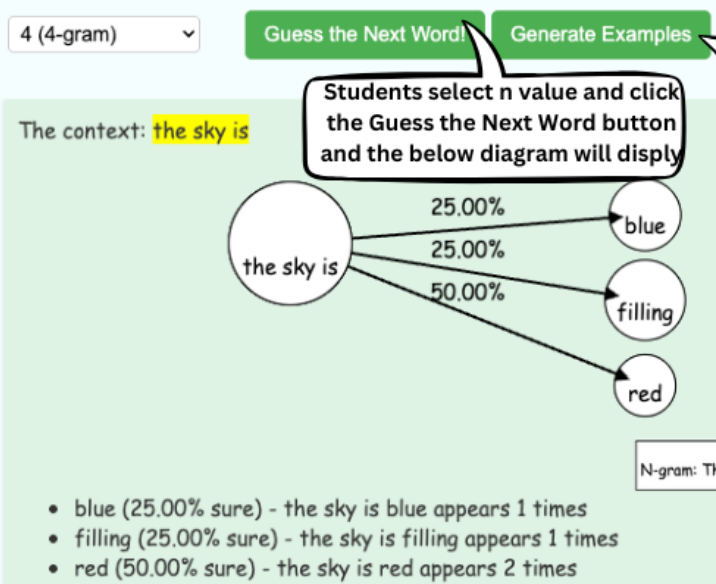
We developed Next Word Adventure, a new software tool that helps middle school students understand n-gram models. Students see how n-grams are constructed from sentences that they provide to the software. Students can modify the n-value and see its effect on the n-gram that is created. A dynamic diagram helps students grasp the statistical processes and how data and parameter choices influence outcomes. In a study with 48 students from 6th to 8th grade, survey items revealed pre-conceptions, such as equating word prediction functionality with internet searches and overestimating such capabilities. After interaction with our software tool, 31 students recognized n-grams’ dependency on statistical data rather than assuming a cognitive understanding of text. They appreciated the significance of the n parameter in enhancing prediction accuracy. The study suggests the software was effective in helping students developing a probabilistic model of text prediction.
-
 Word2Vec4Kids: Interactive Challenges to Introduce Middle School Students to Word EmbeddingsNathan Wiatrek*, Yash Verma*, and Fred MartinProceedings of the AAAI Conference on Artificial Intelligence, Apr 2025
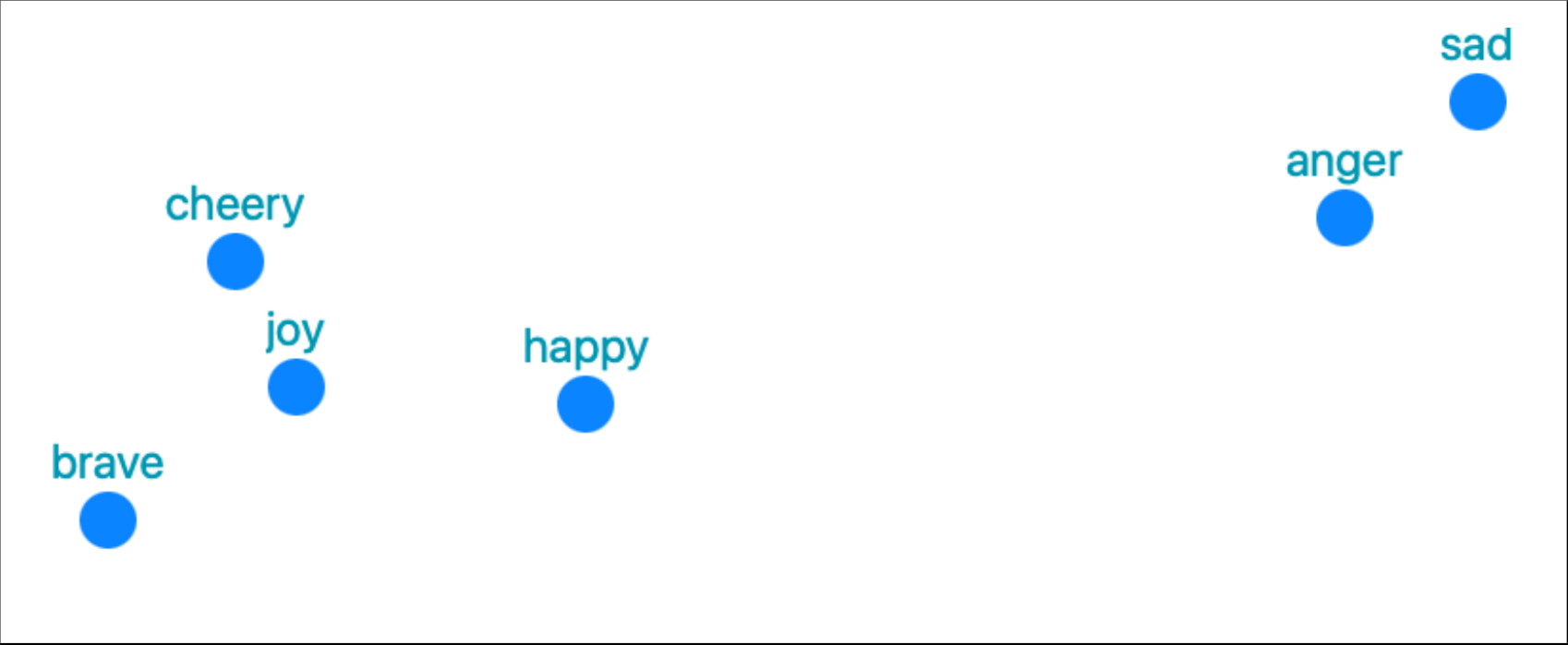
As Artificial Intelligence (AI) continues to integrate into more aspects of society, equipping younger generations with foundational AI knowledge becomes increasingly critical. This paper presents Word2Vec4Kids (W2V4K), an interactive application designed to familiarize middle school students with word embeddings, a key aspect of Natural Language Processing (NLP). W2V4K leverages the Word2Vec model, allowing students to explore word associations, similarity, and vector arithmetic through engaging game modes. The application was tested with 38 middle school students aged 11-14 at a Science Technology Engineering Math (STEM)-focused charter school. Data were collected on students’ interactions with the application, including screen recordings, audio, and survey responses. Results demonstrated that W2V4K effectively introduces NLP concepts to students. Qualitative observations revealed high levels of engagement with students expressing excitement and curiosity about word relationships. As they progressed through the game modes, students showed increasing confidence in predicting word associations, brainstorming relevant words, and connecting the concepts to real-world applications. Quantitative data from post-interaction surveys indicated positive learning outcomes with 44.5% of students achieving perfect scores on concept-related items. Additionally, students demonstrated an ability to critically think about language representation. This study suggests that W2V4K provides an effective and engaging method for introducing NLP concepts to middle school students, contributing to the broader goal of enhancing AI literacy among younger generations.
-
 AI Chef Trainer: Introducing Students to the Importance of Data in Machine LearningSaniya Vahedian Movahed*, and Fred MartinProceedings of the AAAI Conference on Artificial Intelligence, Apr 2025
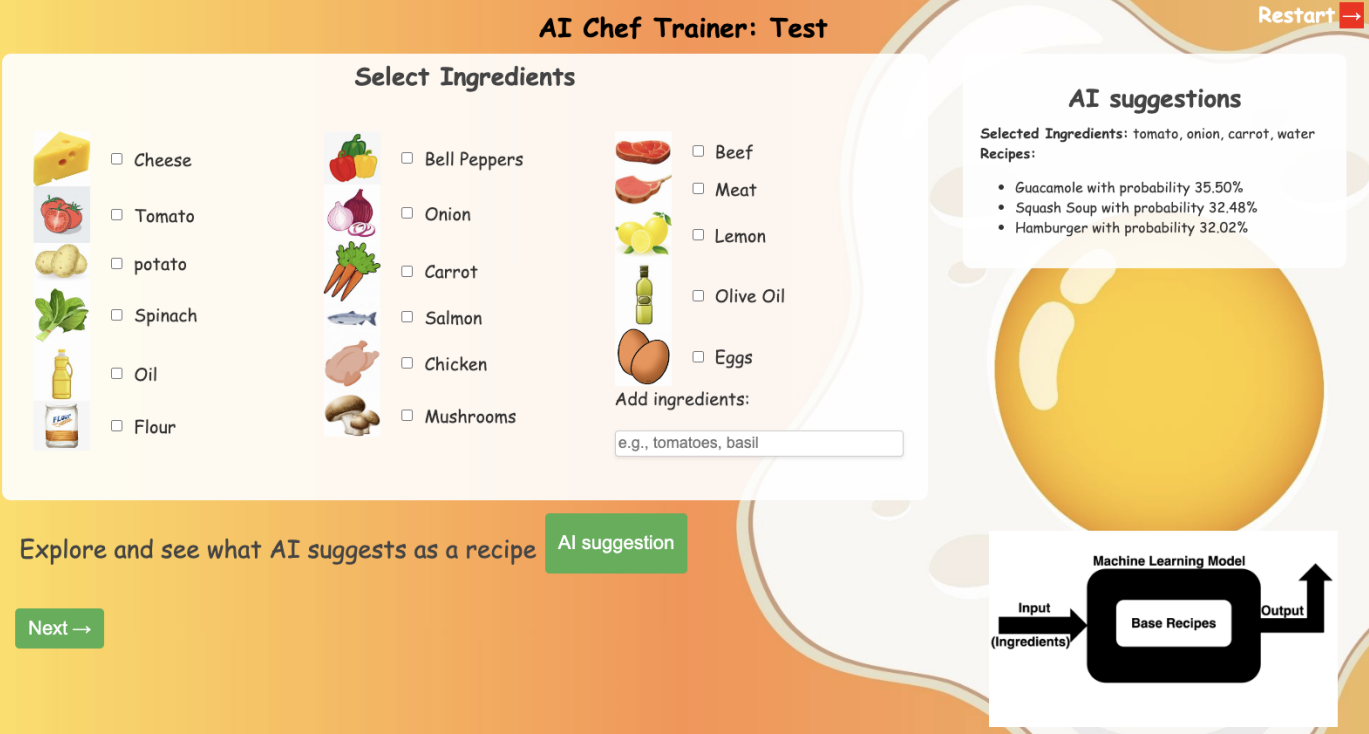
The AI Chef Trainer is an educational web app that introduces children to the role of data in machine learning (ML) through the engaging task of recipe recommendation. Initially, students tested the AI Chef’s capabilities by selecting from a list of ingredients to see what the system recommended as possible recipes. After observing the recommendations, they contributed by adding their own recipes—each being a set of ingredients and a corresponding recipe-name—which were used to retrain the model and finally re-tested recipe suggestions. This cyclical process of testing, contributing, retraining, and post-training testing provided students with hands-on experience in how AI systems learn and adapt over time based on new data. We tested our software with middle school students. The results indicated that students recognized the importance of both data quantity and specificity in the training process. 45 of 52 students entered recipes, and 26 of the 52 tested their own recipes using the specific ingredients they entered. Students were introduced to the concept of confidence percentages via the AI recipe suggestions. Even as the primary focus was the role of data in machine learning, the AI Chef Trainer software also served as a window into students’ cultural expression and personal preferences.
-
 TrainYourSnakeAI: A Novel Tool to Teach Reinforcement Learning to Middle School StudentsCesar Hinojosa*, Priyanka Kumar, Pragathi Durga Rajarajan*, and 1 more authorIn Proceedings of the 56th ACM Technical Symposium on Computer Science Education V. 1, Apr 2025
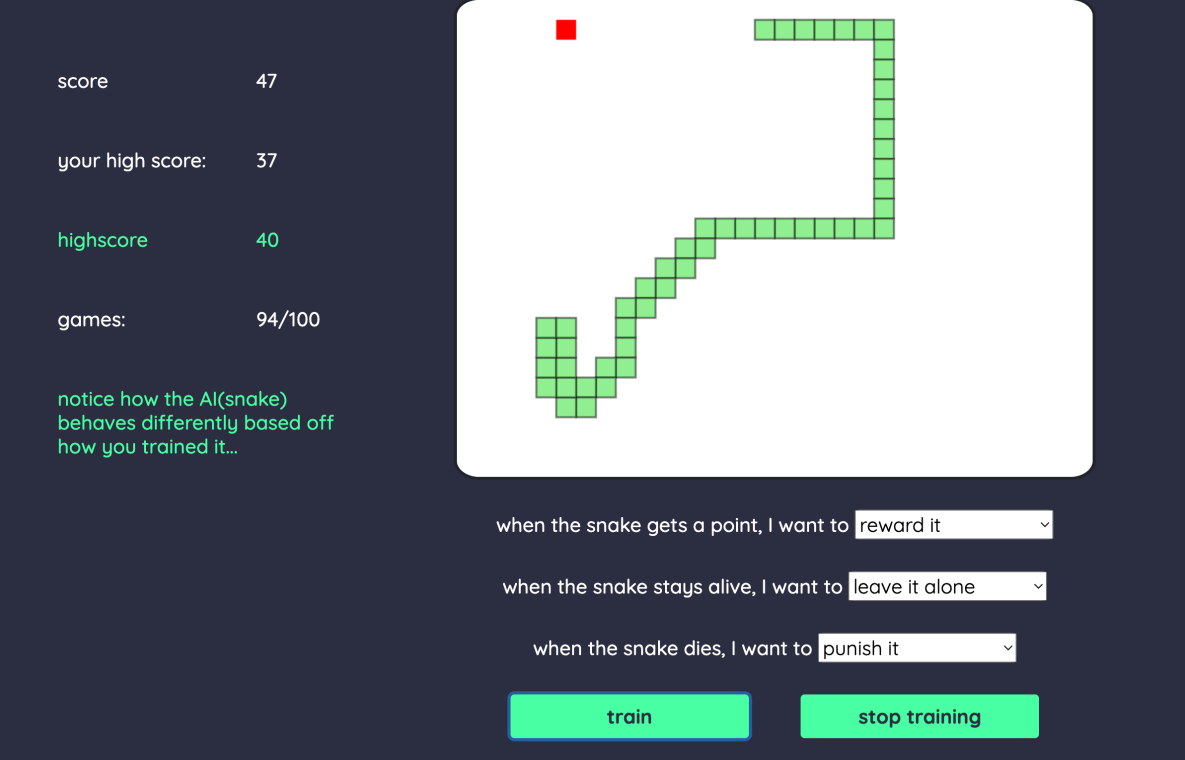
Artificial Intelligence (AI) is growing rapidly in our society and is now apparent in our day-to-day lives. With the recent burst of interest in AI, many individuals and children may view AI as something mystic and magical. It is important to demystify and introduce to them how AI is made and works. To address this need, we developed a software application that allows children to specify the parameters used by a Reinforcement Learning (RL) algorithm. Then students experience how RL is used to train an AI model to play the game "Snake." This software tool was tested with 71 middle school-age students. Here, we describe the design of the TrainYourSnakeAI application, the approach we used to introduce the associated ideas to middle school children, and how we assessed student learning. Qualitative data collected from students are presented and discussed. We surveyed their knowledge of AI before and after using the application. In this work, our research questions were: (RQ1) How can we create an engaging tool to teach reinforcement learning? and (RQ2) Does using our application foster a stronger understanding of reinforcement learning in children? Our findings indicate that students were able to understand the functionality of reward functions and how agents can learn from the environment using the concept of RL. We found that out of the 51 students who were not previously familiar with RL, 40 were able to provide adequate descriptions of RL after using TrainYourSnakeAI.
-
 FaunaForest: A Novel Software Tool for Teaching Decision Trees to Middle School StudentsPragathi Durga Rajarajan*, Adrian Cisneros*, and Fred MartinIn 2025 IEEE Integrated STEM Education Conference (ISEC), Mar 2025
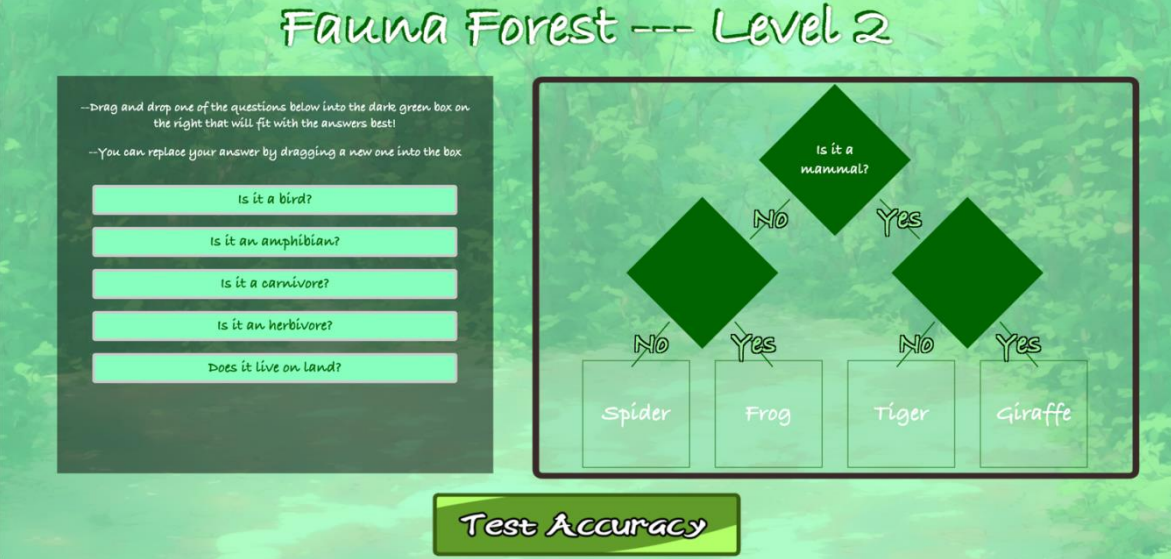
Artificial intelligence literacy is fast becoming a foundational skill for students to develop as artificial intelligence technology rapidly advances and integrates further into key areas of society and everyday life. Artificial intelligence literacy involves understanding key concepts such as decision tree algorithms, which are essential for making informed decisions in numerous fields. To support K-12 curricula that foster artificial intelligence literacy, we developed a novel, easy-to-use software tool to teach middle school students about decision trees. We present FaunaForest, an interactive web application that allows students to complete decision tree puzzles, helping them learn what decision trees are and how they function. In this work, our research questions were: (RQ1) What evidence is there of learning within FaunaForest?; (RQ2) Are there any differences in learning outcomes between different grade levels?; and (RQ3) Is FaunaForest engaging? We collected and analyzed both quantitative and qualitative data. Our findings showed that students who played Level 3 of FaunaForest multiple times demonstrated a statistically significant improvement in performance compared to those who played it only once. Overall, the students enjoyed playing FaunaForest and made meaningful connections to ideas they had encountered before.
-
 ClawAI: A Software Tool Teaching Text Classification and AI Systems to Middle School StudentsAishat Kolawole*, Yeshaswini Parvatham*, and Fred MartinIn 2025 IEEE Integrated STEM Education Conference (ISEC), Mar 2025
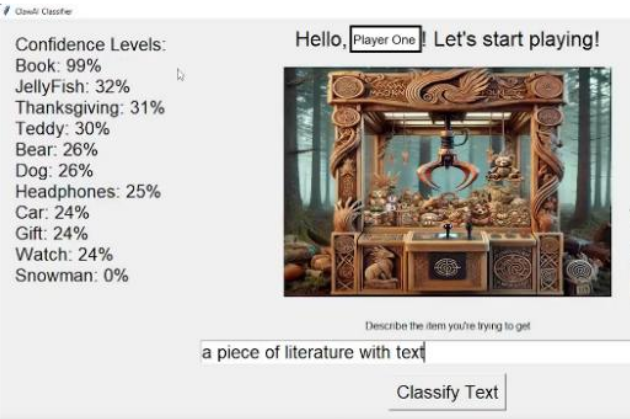
Machine learning (ML) is a transformative technology shaping the modern world, yet its concepts remain inaccessible to many, especially to middle school students. To address this gap, we created an educational game, ClawAI, that introduces AI text classification through interactive play. ClawAI was built using python and connecting our game to the Machine Learning for Kids platform using a Watson API Key. The game engages children in describing objects for an AI claw machine to identify. Students learn key concepts like confidence levels and text classification across three rounds of gameplay. Tested with 43 students aged 7–14, the game demonstrated its effectiveness in teaching AI concepts, with 34 participants showing understanding of text classification through gameplay. This suggests our game successfully bridges the gap between AI education and engagement, offering a scalable model for teaching machine learning in K–12 settings. We had two groups of students, one group that were visuals, and the other group were conceptual students. These two strategies emerged from successful and unsuccessful students. In our findings we found two distinctive groups being formed based on the way they played and the words they used to classify these items. Overall half of the students played the game well and proved how they understood how text classification works with AI, while the other half did not. Out of the half that did well, two-thirds of them showcased a learning experience. Our results demonstrate that our game and games alike can be utilized as a learning tool when students are taught about AI in K-12 education.
-
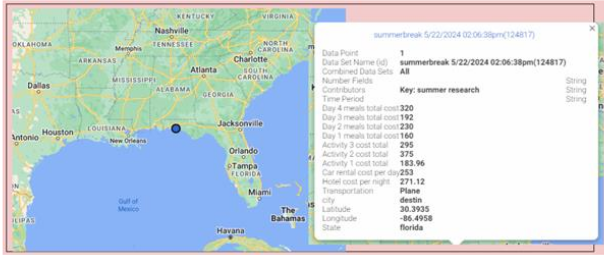 Teacher Education for Data Science: How Teachers Integrate Data Science into Their Instruction for Middle-Grades LearnersIsmaila Temitayo Sanusi, Marissa Muñoz, Ruizhe Ma, and 1 more authorIn 2025 IEEE Integrated STEM Education Conference (ISEC), Mar 2025
This paper presents the Teacher Education for Data Science (TEDS), a study conducted with a cohort of teachers who developed methods to incorporate data fluency approaches into teaching and learning across multiple middle school subjects. The objective of this study is to investigate how teachers integrate data science pedagogy into their instruction for middle-grade learners. In a four-session online professional development sequence, teachers learned to use a web-based collaborative data visualization platform; developed a data-intensive lesson for their existing middle school curriculum; implemented the lesson(s) with their students; and shared reflections with fellow teachers and the researchers.This paper shares the design of the professional development sequence, explores the capabilities of the data visualization platform, and examines three examples of data-intensive projects created by the teachers: a paper airplane engineering activity (science class); a "travel agency" vacation planning activity (life skills class); and a volcano research activity (science class).We describe how we supported the teachers in a responsive co-design process. The data collected included teacher-created instructional artifacts, and 30-minute post-teaching interviews, focusing on their lesson design process and student responses to data-intensive approaches.Teachers reported on student agency as they entered data into the collaborative platform and discovered real-world connections in their data. To deepen middle school learners’ engagement and fluency with data, we recommend expanding teachers’ access and familiarity with technology-supported pedagogical approaches. Integrating data science into the curriculum broadens opportunities for both teachers and students, fostering critical thinking and deeper engagement with the world around us.


2024
-
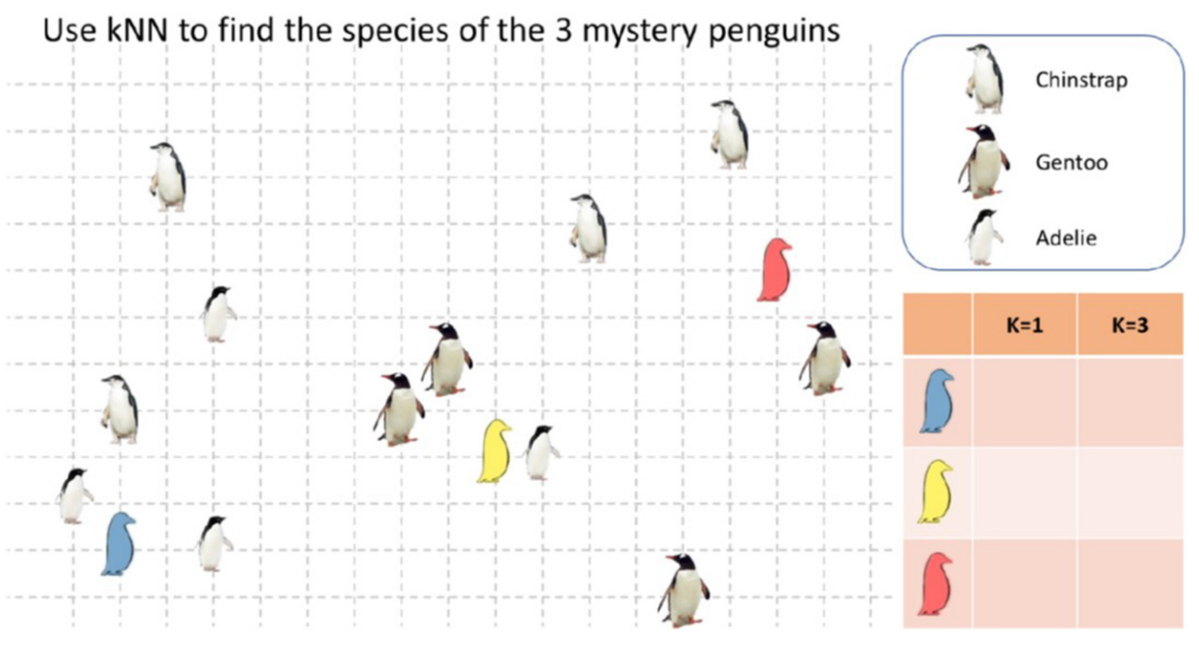 AI MyData: Fostering Middle School Students’ Engagement with Machine Learning through an Ethics-Infused AI CurriculumIsmaila Temitayo Sanusi, Fred Martin, Ruizhe Ma, and 5 more authorsACM Trans. Comput. Educ., Dec 2024
As initiatives on AI education in K-12 learning contexts continues to evolve, researchers have developed curricula among other resources to promote AI across grade levels. Yet, there is a need for more effort regarding curriculum, tools, and pedagogy, as well as assessment techniques to popularize AI at the middle school level. Drawing on prior work, we created original curriculum activities with innovative use of existing technology, a new computational teaching tool, and a series of approaches and assessments to evaluate students’ engagement with the learning resources. Our curriculum called AI MyData comprises elements of ML and data science infused with ethical orientation. In this article, we describe the novel AI curriculum and further discuss how we engaged students in learning and critiquing AI ethical dilemmas. We gathered data from two pilot studies conducted in the Northeast United States, one Artificial Intelligence Afterschool (AIA) program, and one virtual AI summer camp. The AIA program was carried out in a local public school with four middle school students aged 12 to 13; the program consisted of eleven 2-hour sessions. The summer camp consisted of 2-hour sessions over 4 consecutive days, with 18 students aged 12 to 15. We facilitated both pilot programs with hands-on plugged and unplugged activities. The method of capturing data included artifact collection, structured interviews, written assessments, and a pre- to post-questionnaire tapping participants’ dispositions about AI and its societal implication. Participant artifacts, written assessments, survey, observation, and analysis of tasks completed revealed that the children improved in their knowledge of AI. In addition, the AI curriculum units and accompanying approaches developed for this study successfully engaged the participants, even without prior knowledge of related concepts. We also found an indication that introducing ethics of AI to adolescents will help their development as ethically responsive citizens. Our study results also indicate that lessons establishing links with students’ personal lives (e.g., letting students choose personally meaningful datasets) and societal implications using unplugged activities and interactive tools were particularly valuable for promoting AI and the integration of AI in middle school education across the subject domains and settings. Based on these results, we discuss our findings, identify their limitations, and propose future work.
-
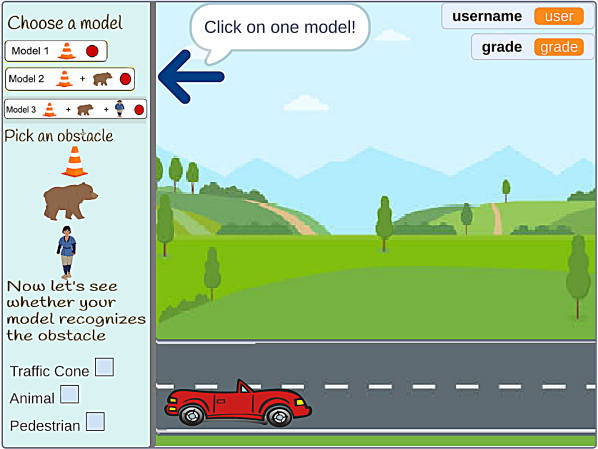 Introducing Children to AI and ML with Five Software ExhibitsSaniya Vahedian Movahed*, James Dimino*, Andrew Farrell*, and 10 more authorsIn Extended Abstracts of the CHI Conference on Human Factors in Computing Systems, Dec 2024
Artificial intelligence (AI) and machine learning (ML) have a deepening impact in our world. For empowered citizenship and career readiness, elementary and middle school students need to understand these technologies. To provide engaging introductory experiences, we created five original interactive software exhibits introducing children to hands-on activities in AI and ML. The exhibits were tested by 125 elementary and middle school students (aged 7 to 14). Four themes emerged: Students recognized that AI and ML systems can process data from cameras (perception); they saw that these systems responded to their training input (trust); they appreciated the practical import of AI/ML systems (affective and cognitive attitudes); and students were introduced to models and modes (specialization). This paper presents our goals in creating the exhibits and results from our initial testing with children. Our work contributes to the literature on formal and informal activities for introducing AI and ML to young learners.
- Investigating Middle School Students’ Early Learning Experience of Computer Science through Creating Apps for Social GoodGillian Bausch, Lijun Ni, Elizabeth Thomas-Cappello, and 3 more authorsIn Proceedings of the 55th ACM Technical Symposium on Computer Science Education V. 1, Dec 2024
This study investigated middle school students’ learning experiences with a computer science and digital literacy (CSDL) curriculum, which was developed through the CS Pathways researcher-practitioner partnership (RPP) project. The curriculum is based on students learning computer science (CS) through creating apps that serve community and social good. Both quantitative and qualitative data were collected from students in three urban districts: 1) 330 paired pre- and post-survey responses indicating students’ confidence and interest in both learning CS and creating apps for social good; 2) 343 open-ended question responses in the post-survey probing into students’ perceptions on learning CS after taking the course. Whether there were gender differences emerged from both data were also examined. The results showed that students’ confidence in coding and creating apps for social good significantly increased after completing the course, regardless of gender. However, their interest in pursuing CS learning remained at a low level. Further analysis showed male students reported significantly stronger interest than female students. Qualitative analysis of the open-ended responses revealed that both male and female students appreciated the collaborative learning environment and learning coding through making apps. Male students did not like certain instructional approaches that their teachers used. Female students expressed their dislike of coding in general. We applied an interest development theory to further understand these results, which suggested that we consider the trajectory of students’ interest development of CS.
-
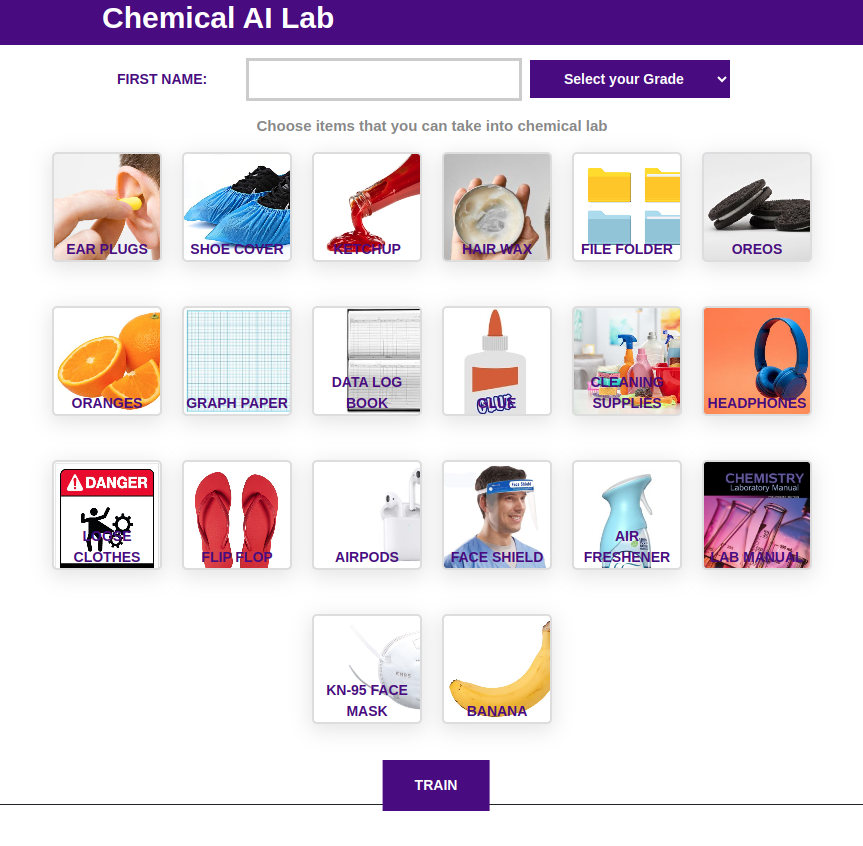 ChemAIstry: A Novel Software Tool for Teaching Model Training in K-8 EducationFred Martin, Vaishali Mahipal*, Garima Jain*, and 2 more authorsIn Proceedings of the 55th ACM Technical Symposium on Computer Science Education V. 1, Dec 2024
Machine learning (ML) systems are increasingly in use in society. For young learners to be informed citizens and have full career potential it is important for them to understand these concepts. To support this learning, we created "ChemAIstry,” an interactive software tool for children which demonstrates training and classification in machine learning. Students select which everyday items are safe to bring into a chemistry lab (e.g., a lab coat is safe; pizza is not). These selections serve as training input for a decision tree classifier. After training, students see how the trained model performs in classifying new objects. ChemAIstry was tested with 40 students aged 7 to 14 years at a public K?8 school. The software captured student selections during training. We analyzed these interactions to yield a "Correspondence Score,” a measure of student understanding of the classification task. We screen-recorded student use of the software and audio-recorded our conversations with them during this use. Our analysis of these data indicates that students were able to understand the concept of model training, including that items were subsequently classified based on their training input. More than half of the student trials indicated that students correctly understood the task. This suggests ChemAIstry was effective in introducing students to these ideas in machine learning. We recommend continued development of related tools for curriculum integration of AI in K-8 education.
- Creating Apps for Community and Social Good: Preliminary Learning Outcomes from a Middle School Computer Science CurriculumLijun Ni, Gillian Bausch, Elizabeth Thomas-Cappello, and 2 more authorsACM Transactions on Computing Education, Dec 2024
This study examined student learning outcomes from a middle school computer science (CS) curriculum developed through a researcher and practitioner partnership (RPP) project. The curriculum is based on students creating mobile apps that serve community and social good. We collected two sets of data from 294 students in three urban districts: (1) pre- and post-survey responses on their learning experiences and attitudes toward learning CS and creating community-serving apps; (2) the apps created by those students. The analysis of student apps indicated that students were able to create basic apps that connected with their personal interests, life experiences, school community, and the larger society. Students were significantly more confident in coding and creating community-focused apps after completing the course, regardless of gender, race/ethnicity, and grade. However, their interest in solving coding problems and continuing to learn CS decreased afterward. Analyses of students’ attitudes by gender, grade, and race/ethnicity showed significant differences among students in some groups. Seventh-grade students rated more positive on their attitudes than eighth graders. Students identifying with different race/ethnicity groups indicated significantly different attitudes, especially students identifying as Southeast Asian, Black/African American, and Hispanic/Latino. Self-identified male students also reported stronger interest and more positive attitudes overall than self-identified female students. Students also reported positive experiences in learning how to create real apps serving their community, while there were disparities in their experiences with coding in general and some of the instructional tools used in the class.


2023
- AI Literacy: Finding Common Threads between Education, Design, Policy, and ExplainabilityDuri Long, Jessica Roberts, Brian Magerko, and 3 more authorsIn Extended Abstracts of the 2023 CHI Conference on Human Factors in Computing Systems, Dec 2023
Fostering public AI literacy has been a growing area of interest at CHI for several years, and a substantial community is forming around issues such as teaching children how to build and program AI systems, designing learning experiences to broaden public understanding of AI, developing explainable AI systems, understanding how novices make sense of AI, and exploring the relationship between public policy, ethics, and AI literacy. Previous workshops related to AI literacy have been held at other conferences (e.g., SIGCSE, AAAI) that have been mostly focused on bringing together researchers and educators interested in AI education in K-12 classroom environments, an important subfield of this area. Our workshop seeks to cast a wider net that encompasses both HCI research related to introducing AI in K-12 education and also HCI research that is concerned with issues of AI literacy more broadly, including adult education, interactions with AI in the workplace, understanding how users make sense of and learn about AI systems, research on developing explainable AI (XAI) for non-expert users, and public policy issues related to AI literacy.
- Creating Apps for Community and Social Good: Learning Outcomes of a Culturally Responsive Middle School Computer Science CurriculumLijun Ni, Gillian Bausch, Elizabeth Thomas-Cappello, and 2 more authorsIn Proceedings of the 54th ACM Technical Symposium on Computer Science Education V. 1, Dec 2023
This study examined student learning outcomes from a culturally responsive middle school computer science (CS) curriculum. The curriculum is based on students creating mobile apps serving community and social good. Two sets of data were collected from 294 students in three urban districts: (1) pre- and post- survey responses on their attitudes toward learning CS and creating culturally responsive apps; (2) the apps created by those students. The analyses of student apps indicated that students were able to create basic apps that connected with their personal interests, life experiences, class community, and the larger society. Paired sample t-tests of pre- and post- survey results indicated that students were significantly more confident in coding and creating community-focused apps after completing the course, regardless of gender and race. However, their interest in solving coding problems and continuing to learn CS decreased afterward. Analyses of students’ attitudes by gender, grade, and race showed significant differences among some of those groups. Seventh grade students rated more positively on their attitudes than eighth graders. Students of different racial groups indicated significantly different attitudes, especially the Southeast Asian and African American groups. Male students also reported stronger confidence and interest and more positive attitudes overall than female students.
-
 Developing Machine Learning Algorithm Literacy with Novel Plugged and Unplugged ApproachesRuizhe Ma, Ismaila Temitayo Sanusi*, Vaishali Mahipal*, and 2 more authorsIn Proceedings of the 54th ACM Technical Symposium on Computer Science Education V. 1, Dec 2023
Data science and machine learning should not only be research areas for scientists and researchers but should also be accessible and understandable to the general audience. Enabling students to understand the details behind the technology will support them in becoming aware consumers and encourage them to become active participants. In this paper, we present instructional materials developed for introducing students to two key machine learning algorithms: decision trees and k-nearest neighbors. The materials were tested in a middle school’s afterschool artificial intelligence program with four participating students aged 12 to 13. A combination of hands-on activities, innovative technology, and intuitive examples facilitated student learning. With hand-drawn decision trees and penguin species classifications, students used the algorithms to solve problems and anticipate other possible applications. We present the technology used, curriculum materials developed, and classroom structure. Following the guidelines from AI4K12 and introducing foundational machine learning algorithms, we hope to foster student interest in STEM fields.
-
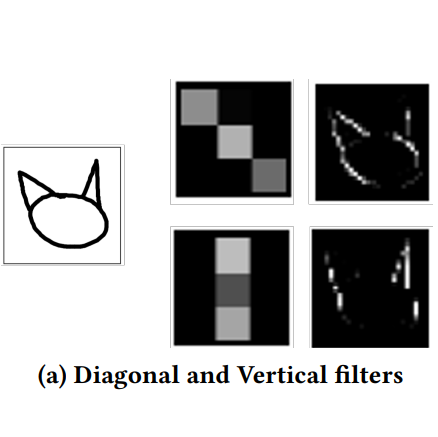 DoodleIt: A Novel Tool and Approach for Teaching How CNNs Perform Image RecognitionVaishali Mahipal*, Srija Ghosh*, Ismaila Temitayo Sanusi*, and 3 more authorsIn Proceedings of the 25th Australasian Computing Education Conference, Dec 2023
To introduce middle school students to key concepts in image recognition, we created an interactive web application that performs sketch recognition and an afterschool curriculum for its use. Our app, called DoodleIt, was inspired by Google’s Quick, Draw!, and makes use of its accompanying open-source sketch library. With DoodleIt, students make simple line drawings on a canvas area and a previously-trained convolutional neural network (CNN) identifies the object drawn. The application dynamically visualizes the different layers that are involved in the process of CNNs, including a display of kernels, the resulting feature maps, and the percentage of match at output neurons. We used DoodleIt in an 18-hour curriculum to introduce middle school students to artificial intelligence, machine learning, and data science. Four hours of content were related to image recognition and the ethics of using AI. Here, we describe the design of the DoodleIt application, the approach we used to introduce the associated ideas to the students, and how we assessed student learning. Qualitative data collected from students are presented and discussed. Our findings indicate that students were able to understand the functionality of the kernels and feature maps involved in the CNN to perform rudimentary image recognition.


2022
- Promoting Machine Learning Concept to Young Learners in a National Science FairIsmaila Temitayo Sanusi*, Ilkka Jormanainen, Solomon Sunday Oyelere, and 2 more authorsIn Proceedings of the 22nd Koli Calling International Conference on Computing Education Research, Dec 2022
There is a growing number of initiatives for teaching artificial intelligence or machine learning in the compulsory levels of education. However, more research and development is required to understand technological and pedagogical aspects of AI teaching especially in K-12 level. In the context of a two day workshop in a science festival, we introduced the concept of Convolution neural network (CNN) and examined how children learn about the way CNN performs image recognition. The concept was presented through hands-on practice with DoodleIt, a simple app for introducing the fundamental ideas behind CNN.
-
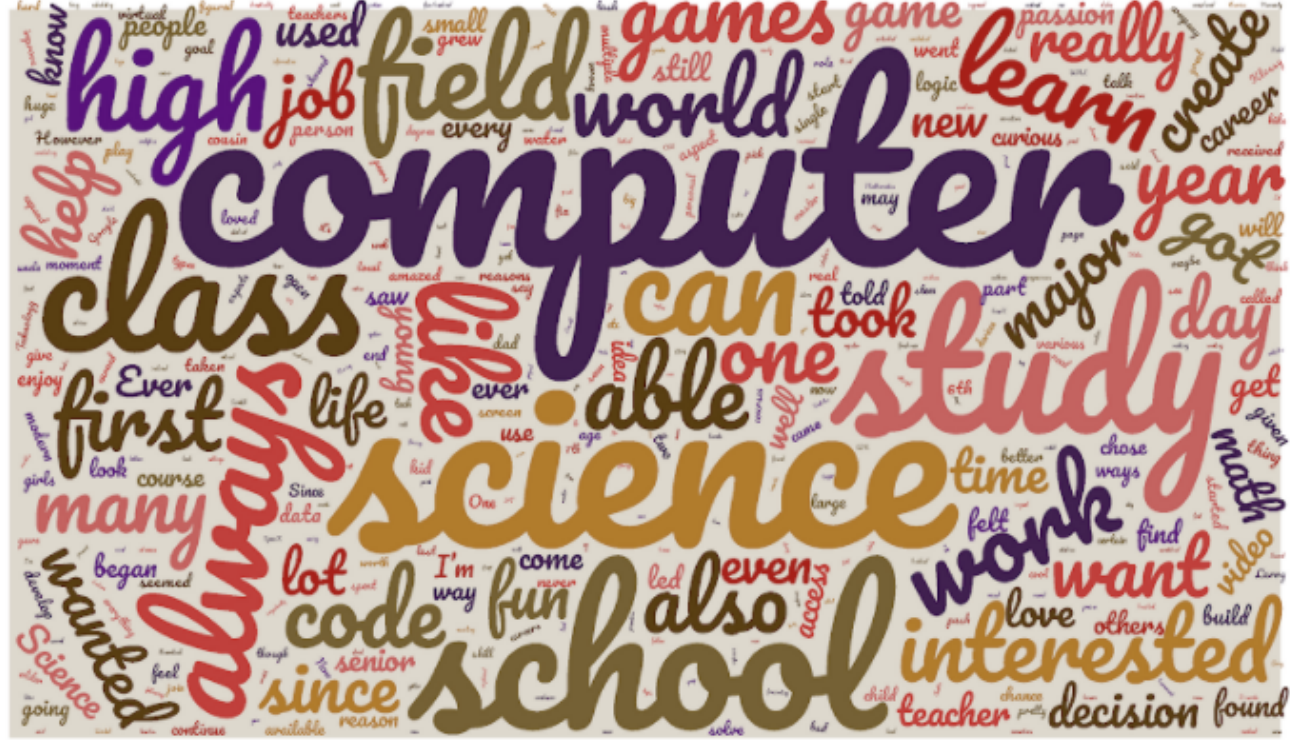 Design and Impact of a Near Peer-Led Computer Science Summer Bridge ProgramJaelyn Dones*, Fred Martin, Justin Lu*, and 1 more authorIn 2022 IEEE Frontiers in Education Conference (FIE), Dec 2022
This full innovative practice paper presents a study on the effectiveness of a computer science bridge program at a mid-sized regional public university in the Northeast United States. The program was designed for incoming first-year full-time students pursuing a degree in computer science (CS) at the university. The structure of this program differs from others with its leadership consisting of undergraduate students of varying seniority. It also features an emphasis on building a strong sense of community and seeks to inspire creativity in CS through lesson plans that are complementary with what participants learn in the university’s degree program.This study investigates the outcomes of the program after three iterations. To quantify its impact on participants, retention rates of program participants are compared with those of students who were invited to participate in the program but declined. Positive effects stemming from near-peer mentoring and the creation of a lasting digital support network for program participants are also analyzed.The researchers expected the data collected to reflect a successful impact from students’ participation in the program. Chi-square testing on the collected retention data from the first two cohorts revealed a statistically significant result for one cohort.The third iteration of the program resulted in a highly active online community of freshmen that has been supported by students of higher seniority throughout participants’ first academic school year.Based on these findings, we urge all institutions seeking to support a diverse body of students in their STEM pathways to implement summer bridge programs. We recommend engaging existing undergraduate students in developing and leading such programs, and focusing on building a community and on-going support network.
-
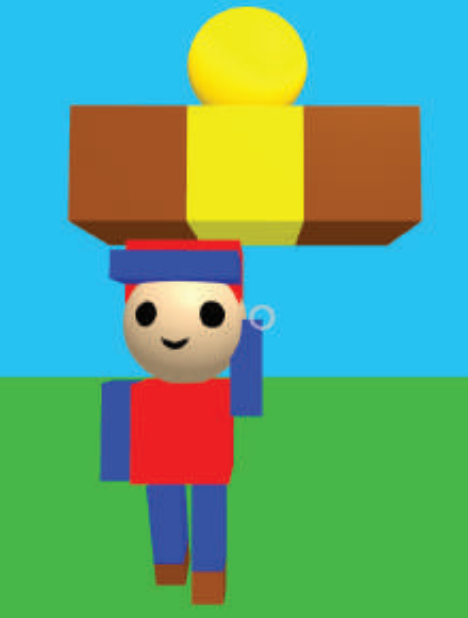 Evaluating Student Spatial Skills Learning in a Virtual Reality Programming EnvironmentJustin Lu*, Lauren Seavey*, Samuel Zuk*, and 2 more authorsIn 2022 IEEE Frontiers in Education Conference (FIE), Dec 2022
In this research full paper, we examine students’ improvement in spatial visualization skills when using MYR (short for "My Reality"), a browser-based, cloud-hosted programming environment for beginning through advanced programmers to create immersive, three-dimensional virtual reality scenes.The research literature suggests that there is correlation between students’ spatial abilities and their success in programming. In this study, we conducted a three-week (six hour) virtual after-school program which introduced high school students with different programming backgrounds to coding in MYR. During the program, students learned the basics of MYR, introductory CS topics, and completed individual coding projects, creating an original MYR scene.A study examined changes in students’ spatial reasoning as a result of this intervention. The students’ performance in spatial skills was measured using the Revised Purdue Spatial Visualization Test: Visualization of Rotations (Revised PSVT:R) [1]. Students completed this instrument using a pre/post survey design. We analyzed the impact of the intervention using a paired samples T-test. We further developed a rubric for analyzing the sophistication of students’ MYR code and applied it to evaluating the programming expertise of our study participants.The program was hosted twice with two different groups of high school students. Most showed interest in MYR programming and expressed their creativity and learned skills in their original project. With the first group of students, we found increases in their spatial visualization performance after the intervention with MYR, though statistical significance was not reached. The second group of students had higher baseline prior experience in computing and spatial visualization skills; these students did not further increase in their spatial visualization skill.The analysis showed that the MYR has a potential to improve spatial skills and engage students’ interest in computing. We recommend that MYR and related computational environments be further studied and made available to students.
- CS Pathways: A Culturally Responsive Computer Science Curriculum for Middle SchoolGarima Jain*, Fred Martin, Bernardo Feliciano*, and 5 more authorsIn 2022 IEEE Frontiers in Education Conference (FIE), Dec 2022
- Teachers as Curriculum Co-designers: Supporting Professional Learning and Curriculum Implementation in a CSforAll RPP ProjectLijun Ni, Gillian Bausch, Bernardo Feliciano*, and 2 more authorsIn 2022 Conference on Research in Equitable and Sustained Participation in Engineering, Computing, and Technology (RESPECT), Dec 2022


2021
- Project, District and Teacher Levels: Insights from Professional Learning in a CS RPP CollaborationLijun Ni, Fred Martin, Gillian Bausch, and 3 more authorsIn Proceedings of the 52nd ACM Technical Symposium on Computer Science Education, Dec 2021
This paper presents an experience report from an NSF-funded researcher-practitioner partnership (RPP) project. Based on a collaboration among two public research universities and three urban school districts in the Northeast USA, the goal of the project is to establish an institutionalized middle school computer science curriculum in the districts. The CS curriculum incorporates digital literacy skills as an integral aspect of learning computer science, and is based on students developing mobile apps that provide social and community good. Here, we share our professional learning process during the project’s first year, which had been developed iteratively and dynamically adjusted to a remote format in response to exigencies of Spring 2020. The paper includes analysis of three data sets from teacher-participants: (1) their questions about the nature of the project, which we categorized into three levels: project, district and teacher levels. These questions bridge the visions and knowledge among different groups of the project partners; (2) analysis of semi-structured interview conversations with more than half of the teacher-participants; and (3) teacher survey responses. Our findings include two recommendations: that RPP projects elicit teacher questions to illuminate the three levels identified, and use strategies that engage teachers in designing a professional learning process for teaching computer science.
- Students’ consistency in computational modeling and their academic successElena Izotova*, Jason Kiesling*, and Fred MartinJournal of Computing Sciences in Colleges, Dec 2021
In this study, an assessment was designed to measure consistency in how subjects interpreted the effect of programming statements. The assessment consisted of 24 multiple-choice items which tested student interpretation of assignment and equality operators. Answers were analyzed to determine each subject’s “Consistency Score,” which represents their consistency in this interpretation. The assessment was administered to computer science undergraduates at a public research university in the Northeast USA. The respondent results (n= 128) were compared to the students’ self-reported department GPA with the goal of determining whether consistency is correlated with student success. We found a positive correlation between a student’s Consistency Score and their department GPA, with strong significance. This suggests the use of this instrument as a diagnostic for supporting students. This paper presents the design of the assessment, how the Consistency Score is calculated, and the study results.
- One-on-one meetings as boundary practices: Managing RPP computer science curriculum co-designBernardo Feliciano*, Lijun Ni, Fred Martin, and 3 more authorsThe intersection of RPPs and BPC in CS education: A culmination of papers from the RPPforCS Community, Dec 2021
Research-practitioner partnership (RPP) projects using approaches such as design-based implementation research (DBIR), seek to build organizational infrastructure to develop, implement, and sustain educational innovation [19]. Infrastructure consists of the practices and objects that support educational practice. Infrastructure constitutes human and material resources and structures that support joint work [18,29]. Although RPP literature has identified co-design as an infrastructure-building approach, to the best of our knowledge, specific techniques for managing co-design and other infrastructure building practices are still lacking [9,18,23]. Without such tools, RPP partners’ varied backgrounds, workplace norms, and priorities can produce behaviors that may be normal in the context of a single organization but can impede communication, resource access, and innovation implementation in a collaborative context. The NSF-funded Computer Science Pathways RPP (CS Pathways) project’s DBIR approach uses co-design of a culturally responsive middle school CS curriculum to develop infrastructure for providing high-quality CS education across three urban school districts. The curriculum focuses on developing mobile apps for social good and will be taught by teachers with varied CS experience in varied classroom contexts (e.g., civics, science). The purpose of this workshop paper is to demonstrate a technique, namely Manager Tools One-on-one meetings [15], adapted by CS Pathways partners to manage the co-design process. O3s have six features: they are frequent; scheduled; 15 to 30 minutes in duration; held with all participants working on a specified project; semi-structured; and documented by the manager or researcher. This workshop paper describes how to use O3s to engage teachers and researchers in developing collaborative infrastructure to promote shared exploration of feedback and build and sustain partnerships.
2020
- Computational thinking from a disciplinary perspective: Integrating computational thinking in K-12 science, technology, engineering, and mathematics educationIrene Lee, Shuchi Grover, Fred Martin, and 2 more authorsJournal of Science Education and Technology, Dec 2020
This article provides an introduction for the special issue of the Journal of Science Education and Technology focused on computational thinking (CT) from a disciplinary perspective. The special issue connects earlier research on what K-12 students can learn and be able to do using CT with the CT skills and habits of mind needed to productively participate in professional CT-integrated STEM fields. In this context, the phrase “disciplinary perspective” simultaneously holds two meanings: it refers to and aims to make connections between established K-12 STEM subject areas (science, technology, engineering, and mathematics) and newer CT-integrated disciplines such as computational sciences. The special issue presents a framework for CT integration and includes articles that illuminate what CT looks like from a disciplinary perspective, the challenges inherent in integrating CT into K-12 STEM education, and new ways of measuring CT aligned more closely with disciplinary practices. The aim of this special issue is to offer research-based and practitioner-grounded insights into recent work in CT integration and provoke new ways of thinking about CT integration from researchers, practitioners, and research-practitioner partnerships.
2019
-
 Envisioning AI for K-12: What Should Every Child Know about AI?David Touretzky, Christina Gardner-McCune, Fred Martin, and 1 more authorProceedings of the AAAI Conference on Artificial Intelligence, Jul 2019
The ubiquity of AI in society means the time is ripe to consider what educated 21st century digital citizens should know about this subject. In May 2018, the Association for the Advancement of Artificial Intelligence (AAAI) and the Computer Science Teachers Association (CSTA) formed a joint working group to develop national guidelines for teaching AI to K-12 students. Inspired by CSTA’s national standards for K-12 computing education, the AI for K-12 guidelines will define what students in each grade band should know about artificial intelligence, machine learning, and robotics. The AI for K-12 working group is also creating an online resource directory where teachers can find AI- related videos, demos, software, and activity descriptions they can incorporate into their lesson plans. This blue sky talk invites the AI research community to reflect on the big ideas in AI that every K-12 student should know, and how we should communicate with the public about advances in AI and their future impact on society. It is a call to action for more AI researchers to become AI educators, creating resources that help teachers and students understand our work.
-
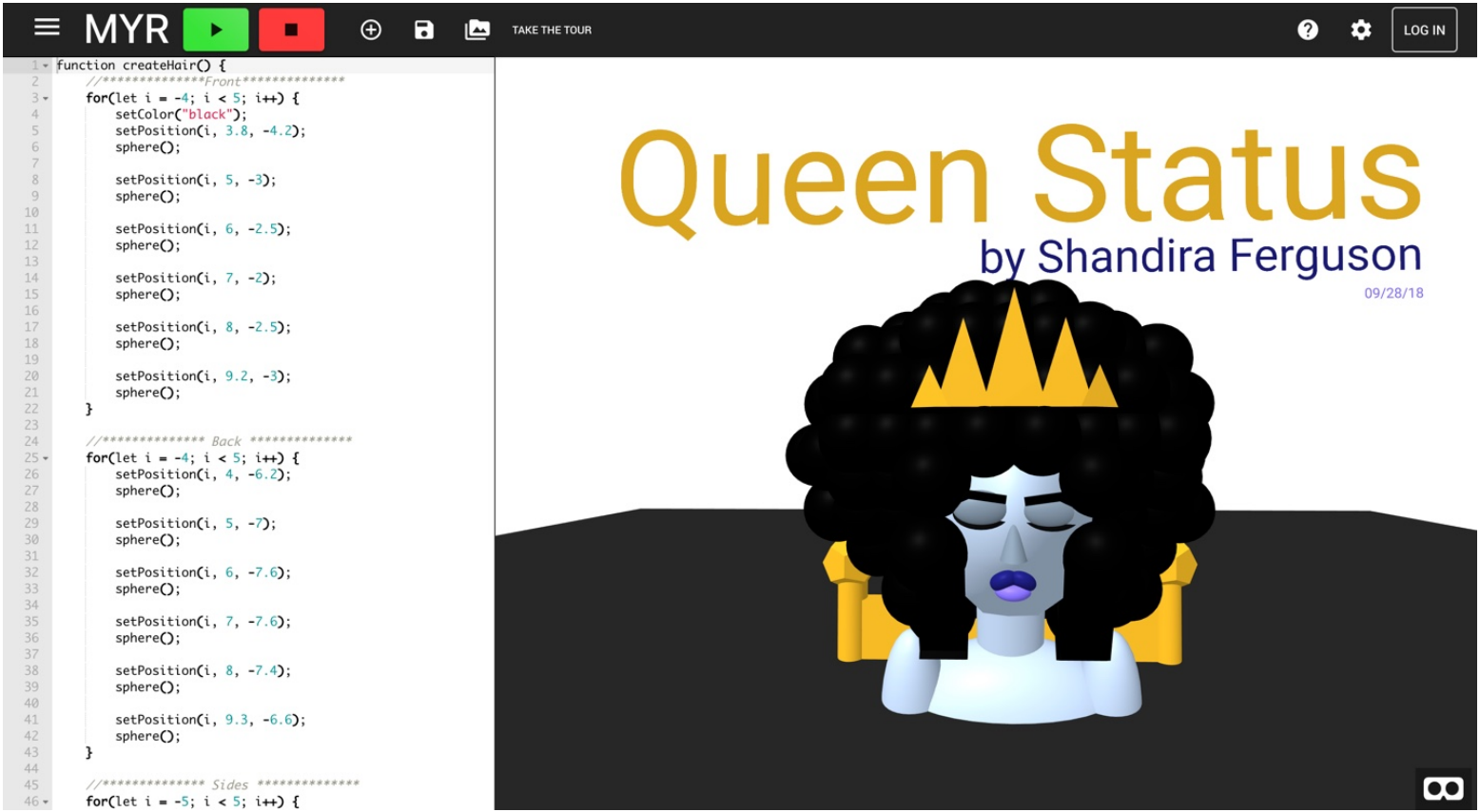 MYR: A Web-Based Platform for Teaching Coding Using VRChristopher Berns*, Grace Chin*, Joel Savitz*, and 2 more authorsIn Proceedings of the 50th ACM Technical Symposium on Computer Science Education, Jul 2019
MYR is a browser-based, educational platform built to spark student interest in computer science by allowing users to write code that generates three-dimensional, animated scenes in virtual reality. The interface consists of two primary components: (1) an integrated editor, which leverages the MYR API and the A-Frame entity-component-system, and (2) a real-time renderer that displays the corresponding scene. The scenes, which vary in complexity, are viewable using virtual reality headsets, smartphones, and any device that supports a web browser. By providing access to the specific domain of virtual reality to students, the system aims to make computer science concepts tangible for novice programmers. The MYR development team conducted pilot tests with middle school students in order to collect feedback from this audience. The larger goal of the project is to develop MYR as a research tool to gain insight into computing students’ success, motivation, and confidence in learning computing.


2018
-
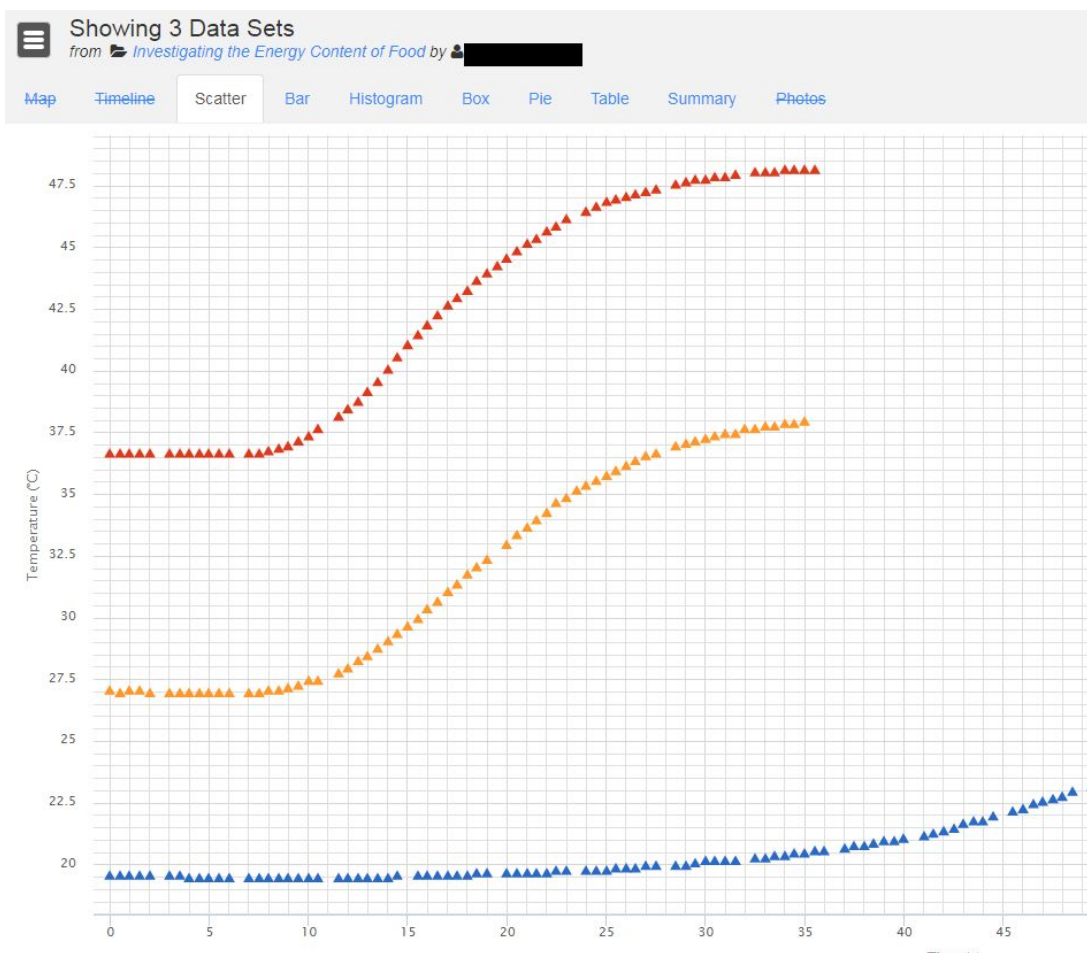 Redefining Science Learning with a Platform for Sharing Experimental DataMaureen Melanson*, Glenda Javier*, Caitlin Canane*, and 1 more authorIn Society for Information Technology & Teacher Education International Conference, Jul 2018
This article focuses on integration of the technology of iSENSE into the secondary education as a teaching and learning tool to design, develop, and infuse digital learning experiences that utilize technology. The objective of each lesson was to use this application to achieve redefinition, create new tasks previously inconceivable, and transform the education process using the SAMR model as presented by Dr. Ruben Puentedura. The objective was to create higher-order thinking tasks that have a significant impact on student learning. Data was collected from high school biology, chemistry, and biotechnology classrooms and integrated into lessons using iSENSE, a web based program, created from a collaborative effort of the University of Massachusetts Lowell and Machine Science Inc, for compiling, sharing, visualizing and analyzing data. Through our research, we were able to conclude that the utilization of iSENSE technology helps students manipulate data to gain a deeper understanding of math and science concepts and encourages further research in the 9-12 classroom.

2017
-
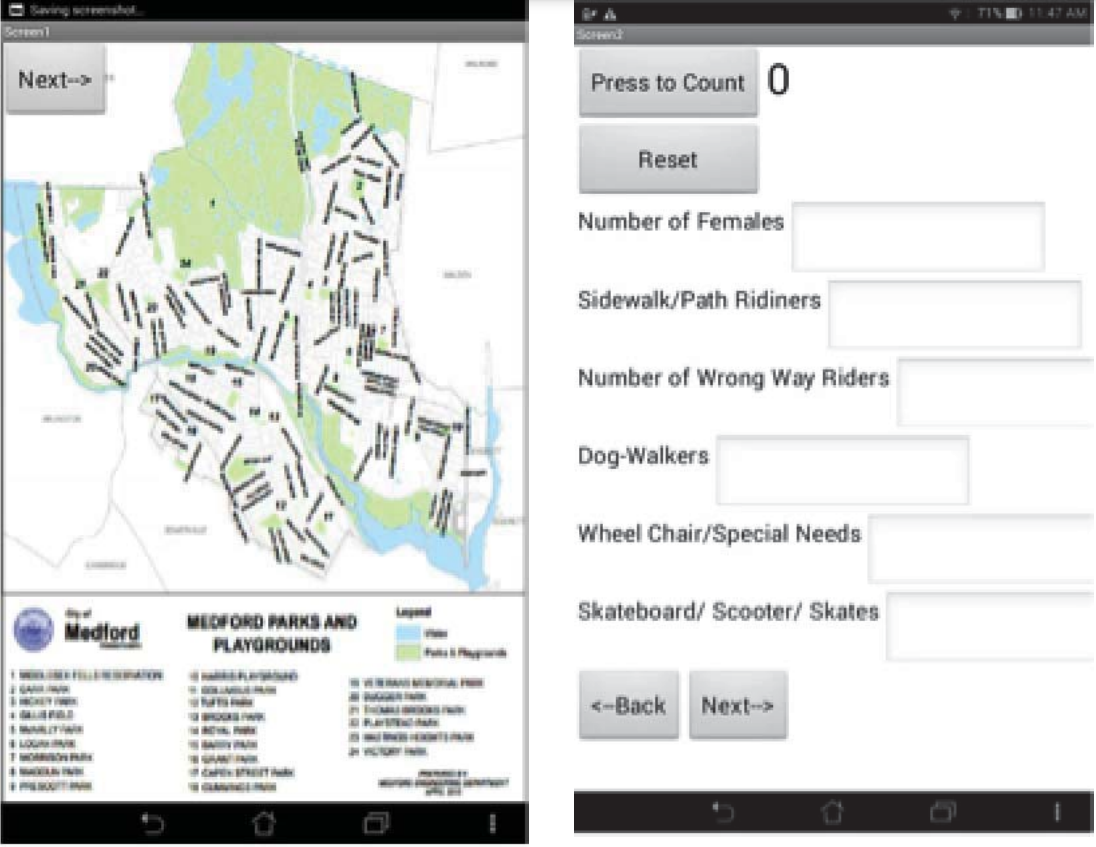 Empowering middle school students to create data-enabled social appsLijun Ni, Farzeen Harunani*, and Fred MartinJournal of Computing Sciences in Colleges, Jul 2017
MIT App Inventor has enabled middle school students to learn computing while creating their own apps-including apps that serve community needs. However, few resources exist for building apps that gather and share data. There is a need for new tools and instructional materials for students to build data-enabled, community-focused apps. We developed an extension for App Inventor, called AppVis, which allows app-makers to publish and retrieve data from our existing web-based collaborative data visualization platform. We used AppVis with supporting instructional materials in two one-week summer camps attended by a total of 33 middle school students. Based on student interview data and analysis of their final apps, we found that this approach was broadly accessible to a diverse population of students and motivated them to build apps that could be used by their own communities.

2016
-
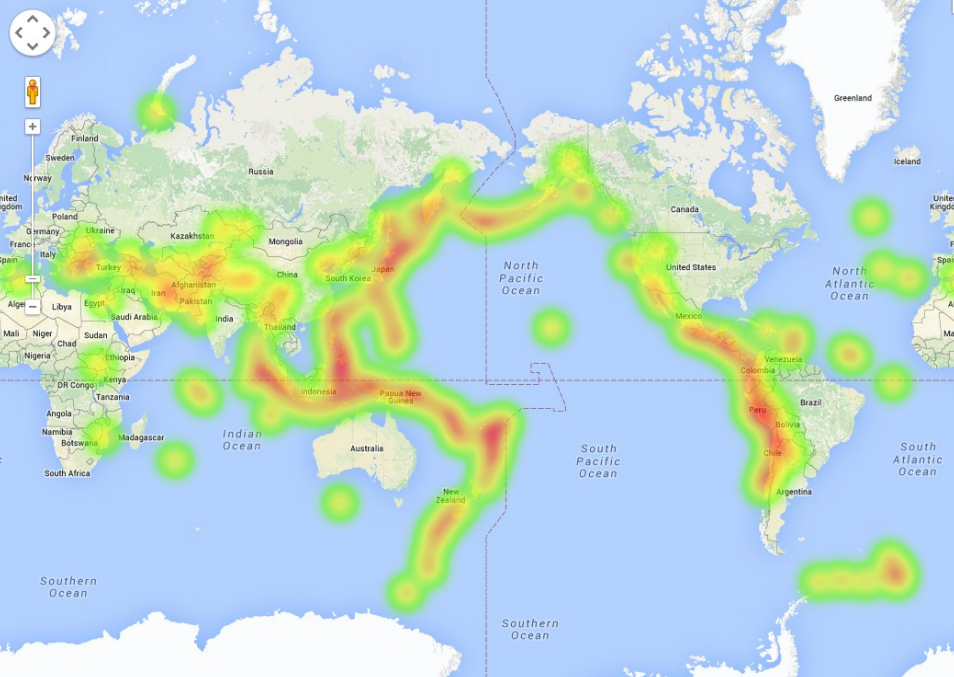 Inquiry learning with data and visualization in the STEM classroomSamantha Michalka, James Dalphond*, and Fred MartinIn Society for Information Technology & Teacher Education International Conference, Jul 2016
Understanding data is a crucial 21st century skill for students in STEM education. At the core of the latest science and math standards is the principle that students should be able to apply real world science and engineering principles to work with and understand data. Here, we discuss three styles of integrating collaborative data analysis and exploration in the classroom using a web-based data visualization system that was purpose-built for middle through high school use (iSENSE). We discuss each of these styles/strategies, potential benefits and reasons for use, and give concrete examples of classroom use by teachers.

2015
-
 Probability with Collaborative Data Visualization SoftwareMelinda BN Willis, Sue Hay, Fred G Martin, and 2 more authorsThe Mathematics Teacher, Jul 2015
The data collection and analysis tool iSENSE helps algebra students collect, share, and explore their own experimental data while learning about the law of large numbers.


2014
-
 Integrating computational thinking across the K–8 curriculumIrene Lee, Fred Martin, and Katie AponeACM Inroads, Jul 2014
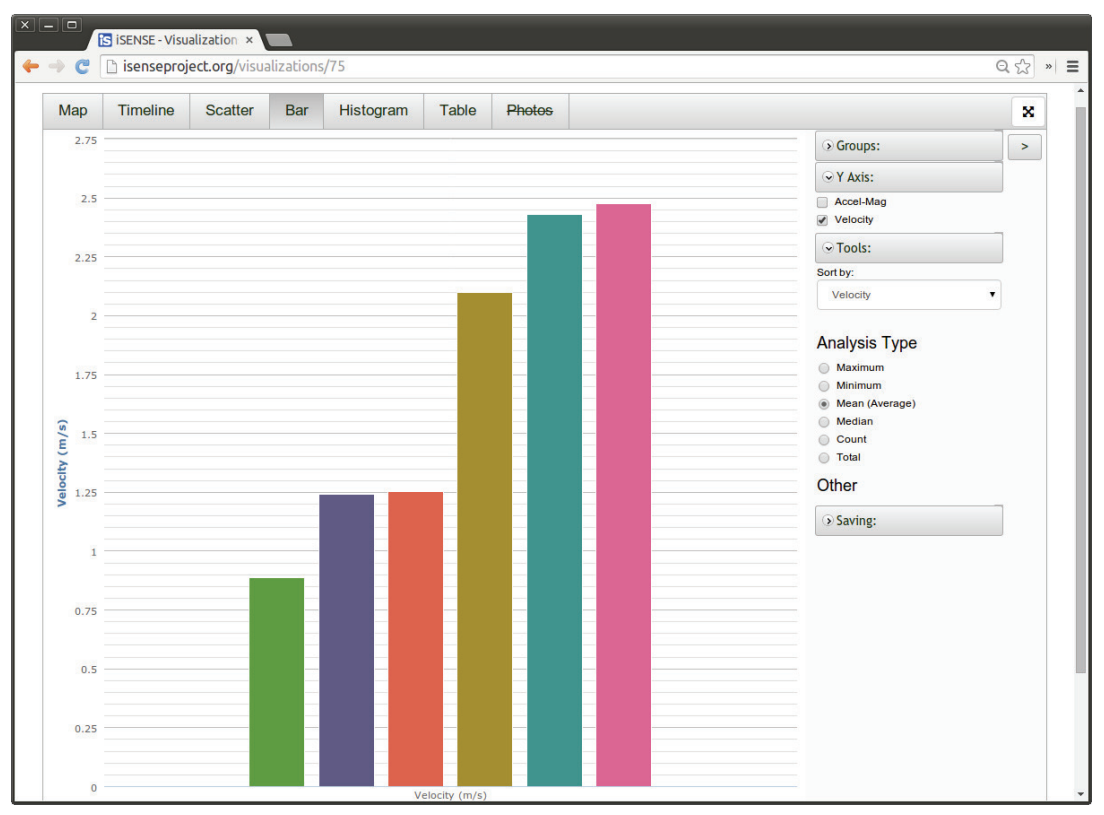
We examine how young learners can gain early exposure and engage in rich computational experiences in K-8. These experiences can build students’ computational thinking, understanding of CS concepts, programming skills and confidence as critical thinkers as well as provide experience with collecting and analyzing data. We discuss how three types of computational activities—digital storytelling, data collection and analysis, and computational science investigations—can be used to incorporate computational thinking (CT) across the curriculum.

2013
- Impact of auto-grading on an introductory computing courseMark Sherman*, Sarita Bassil, Derrell Lipman*, and 2 more authorsJ. Comput. Sci. Coll., Jun 2013
This project presents and assesses the impact of a pedagogical tool, called Bottlenose, deployed in an introductory Computer Science course. Bottlenose is a web-based framework that accepts student submissions and presents immediate feedback. Students may submit any number of times before the assignment due date. We expect them to use the feedback from previous submissions to improve their subsequent submissions. We compared student behavior on assignments against previous semesters, which used the same assignments, but with no automated feedback system. We observed that students, when using the feedback system, make more submissions per assignment, indicating that students were leveraging feedback to improve their programs.
- CUDA accelerated robot localization and mappingHaiyang Zhang*, and Fred MartinIn 2013 IEEE Conference on Technologies for Practical Robot Applications (TePRA), Jun 2013
We present a method to accelerate robot localization and mapping by using CUDA (Compute Unified Device Architecture), the general purpose parallel computing platform on NVIDIA GPUs. In robotics, the particle filter-based SLAM (Simultaneous Localization and Mapping) algorithm has many applications, but is computationally intensive. Prior work has used CUDA to accelerate various robot applications, but particle filter-based SLAM has not been implemented on CUDA yet. Because computations on the particles are independent of each other in this algorithm, CUDA acceleration should be highly effective. We have implemented the SLAM algorithm’s most time consuming step, particle weight calculation, and optimized memory access by using texture memory to alleviate memory bottleneck and fully leverage the parallel processing power. Our experiments have shown the performance has increased by an order of magnitude or more. The results indicate that oftloading to GPU is a cost-effective way to improve SLAM algorithm performance.
-
2012
- Teaching Localization in Probabilistic RoboticsFred Martin, James Dalphond*, and Nat Tuck*Proceedings of the AAAI Conference on Artificial Intelligence, Oct 2012
In the field of probabilistic robotics, a central problem is to determine a robot’s state given knowledge of a time series of control commands and sensor readings. The effects of control commands and the behavior of sensor devices are both modeled probabilistically. A variety of methods are available for deriving the robot’s belief state, which is a probabilistic representation of the robot’s true state (which cannot be directly known). This paper presents a series of five weekly assignments to teach this material at the advanced undergraduate/graduate level. The theoretical aspect of the work is reinforced by practical implementation exercises using ROS (Robot Operating System), and the Bilibot, an educational robot platform.
2011
-
 Computational Thinking for Youth in PracticeIrene Lee, Fred Martin, Jill Denner, and 5 more authorsACM Inroads, Feb 2011
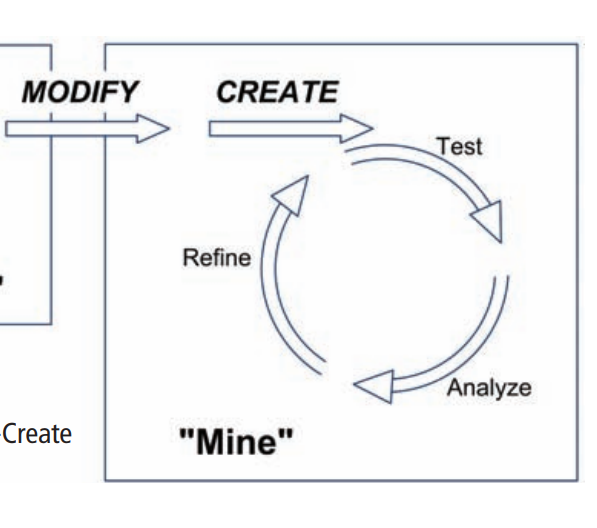
Computational thinking (CT) has been described as the use of abstraction, automation, and analysis in problem-solving [3]. We examine how these ways of thinking take shape for middle and high school youth in a set of NSF-supported programs. We discuss opportunities and challenges in both in-school and after-school contexts. Based on these observations, we present a "use-modify-create" framework, representing three phases of students’ cognitive and practical activity in computational thinking. We recommend continued investment in the development of CT-rich learning environments, in educators who can facilitate their use, and in research on the broader value of computational thinking.

2010
-
 iSENSE: A web environment and hardware platform for data sharing and citizen scienceFred Martin, Sarah Kuhn, Michelle Scribner-MacLean, and 6 more authorsIn 2010 AAAI Spring Symposium Series, Feb 2010
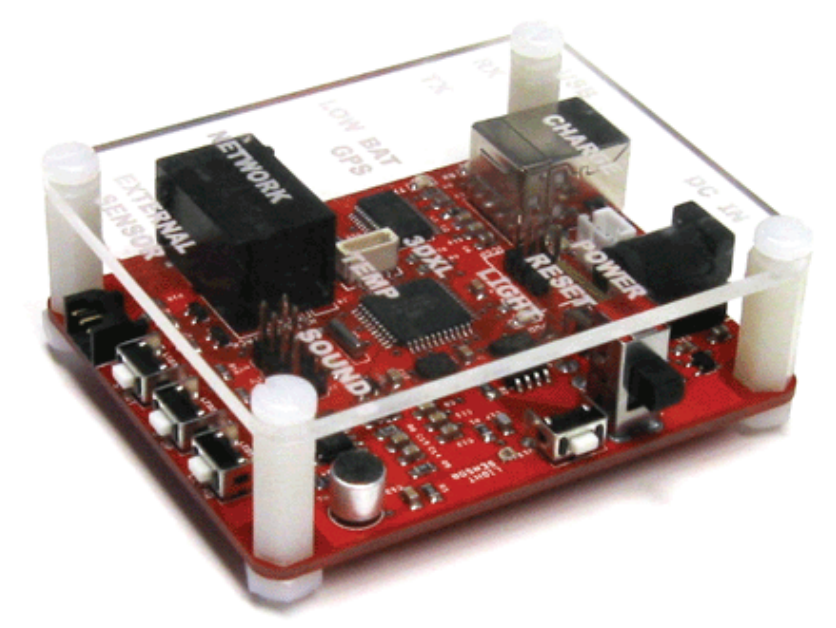
The Internet System for Networked Sensor Experimentation (iSENSE) enables users to store sensor data on the web, view data from other contributors, and combine data from multiple sources to examine regional, national, and global phenomena. Intended for educational use and citizen science applications, the system is compatible with a wide range of classroom probes and sensors. We have also prototyped a custom data-logging device—the Portable iSENSE Network Point, or PINPoint—which features on-board sensors, a GPS receiver, and a connector for external probes. By pooling their data on the web, users can create an expanded sensor network and engage in collaborative research on STEM topics ranging from human health to environmental science and energy conservation.
-
 Impact of a professional development program using data-loggers on science teachers’ attitudes towards inquiry-based teachingSachiko Tosa*, and Fred MartinJournal of Computers in Mathematics and Science Teaching, Aug 2010
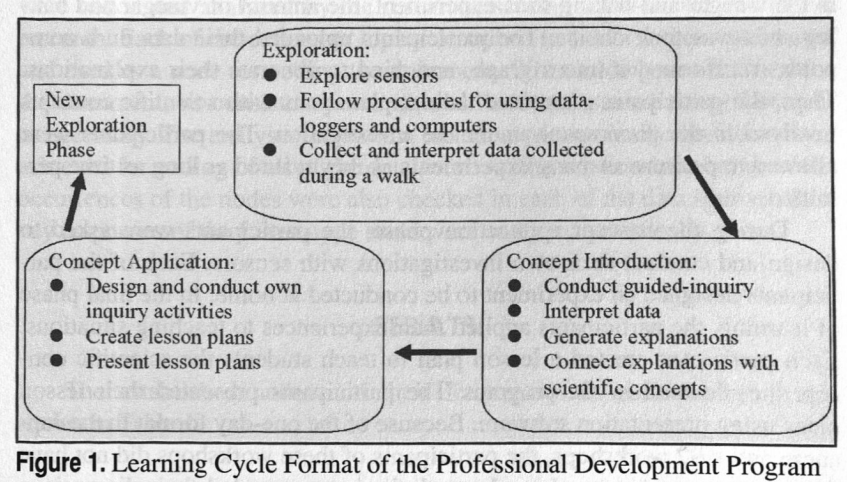
This study examined how a professional development program which incorporates the use of electronic data-loggers could impact on science teachers’ attitudes towards inquiry-based teaching. The participants were 28 science or technology teachers who attended workshops offered in the United States and Japan. The professional development program emphasized (a) guided inquiry activities, (b) participants’ own exploration within the range of given tasks, (c) instructors’ guidance on the processes of inquiry and technology, and (d) discussions of the ways to bring their inquiry experiences in their classrooms. Data sources included field notes, video recordings, artifacts, and survey responses. Analysis of participants’ discourse identified many instances in which the program helped the teachers deepen their understanding of inquiry-based teaching. The findings are presented as three assertions: (a) all the elements incorporated in the program contributed positively to participants’ engagement in inquiry, (b) connections between participants’ sensory experiences and graphical representations of data led them to have new understanding of the phenomena under the investigation, and (c) there were strong connections between their experiences about inquiry and teaching strategies that they wanted to incorporate in their classrooms. Applications of the findings into the development of more effective professional development programs will be discussed.


1998
- Constructional design: Creating new construction kits for kidsMitchel Resnick, Amy Bruckman, and Fred MartinIn The design of children’s technology, Aug 1998